
What is SEO optimization?
Today, Google search is key for users around the world looking for information, and stories about the end of the Google universe are far from true. Even with the latest technology and growing competition, Google continues to improve, using artificial intelligence to improve the quality of search results. This means that it provides users with quick and accurate access to the information they need. As a result, companies that do not invest in SEO (search engine optimization) of their websites may lose their competitive advantage. SEO helps websites rank high in search results, making them more visible to potential customers. Without SEO, companies risk not only losing customers but also suffering revenue losses due to lower search visibility. Therefore, investing in SEO is an important element of any company’s online presence strategy.
What is SEO website optimization?
When starting a business through a website, the main goal is to make a profit. Without visibility on Google, achieving this goal becomes difficult. SEO is a set of strategies for increasing the visibility of a website. The higher the website is ranked, the more chances it has to attract customers. The main goal of SEO is to attract potential customers, which will increase profits.
The history of SEO began more than 30 years ago when the first search engines appeared on the Internet. Since then, this area has come a long way, becoming an integral part of marketing strategies for various types of online businesses. Today, SEO is aimed at increasing the visibility of websites in search engines to attract the attention of potential customers and partners.
For successful SEO, it is important to have a high-quality product or service that will interest a wide audience and to be ready to invest time and resources in the continuous improvement of your web project. It’s also important to understand that SEO is a long-term strategy, and results usually don’t come instantly. The first noticeable changes may appear only a few months after the start of optimization, but they can lead to steady growth of the online business.

How search robots work
Here are three main tasks that search engines perform:
- Crawling: Robots crawl web pages to find new or updated content. The main goal is to find and analyze pages for indexing.
- Indexing: The content found is stored in the search engine’s index. The index allows you to quickly find the pages you need to search.
- Ranking: Algorithms determine the relevance of pages to the user’s request. Pages are ranked by their relevance, improving the search quality.
SEO promotion is aimed at increasing the visibility of web resources in search engines.
The following factors are most important for search engine algorithms:
- Content: Evaluates compliance with the topic, textual content on the page, as well as the specified titles and descriptions. If the content is relevant to the user’s request and contains high-quality information, it will have a positive impact on the search results. The more informative, interesting, and useful the content is, the more likely it is that the search engine will take it into account when ranking.
- Performance: The speed of the website and its technical condition are taken into account. A fast and reliable website provides a better user experience and has a positive impact on rankings. However, you should keep in mind that not only is page loading speed important, but also their correct display on different devices.
- Credibility: It takes into account whether other authoritative sources link to the site. The more links to your website from reputable sources, the more likely it is that the search engine will perceive it as authoritative. This can be a sign that your content is authoritative, meaningful, and trustworthy.
Advantages and disadvantages of SEO website promotion:
Your products or services may be impressive, but their wide recognition and success among users is only possible through effective promotion in search engines. While some may think that SEO is just an attempt to meet the requirements of search engine algorithms, in fact, this process has a significant impact on improving the overall user experience (UX) and strengthening the brand’s position as a recognized leader in the relevant industry.
Pros SEO .:
Six key benefits of using SEO:
- Increases visibility: SEO not only raises your site in search results, but also helps you achieve more visibility for your brand without spending a lot on advertising.
- Increase trust: A high ranking in search results creates the impression of a reputable brand, which increases user trust and can positively influence their purchase decisions.
- Improve technical performance: SEO helps to improve the technical quality of your website, which improves the user experience and increases its appeal to the audience.
- Adapts content: SEO helps to create content that meets the needs of users, encouraging them to take action, such as buying or ordering, at the right time.
- Ensure a stable presence: SEO ensures that your brand has a consistent presence on search engines, which helps keep it fresh in the minds of your audience.
- Allows you to monitor results: SEO tools allow you to effectively track the results of your strategy and adjust it in time to achieve the desired goals.
Disadvantages:
Before you start developing an SEO strategy or contacting an agency, consider the following aspects that you will face:
- The constant need for optimization: SEO requires constant improvement and adaptation to changes in search algorithms. This is a continuous process.
- Competition in the niche: If your field is controlled by big players, you should expect high competition and the need for large resources for SEO.
Patience in achieving results: SEO is a long-term process, and the first results may not appear until 3-6 months later.
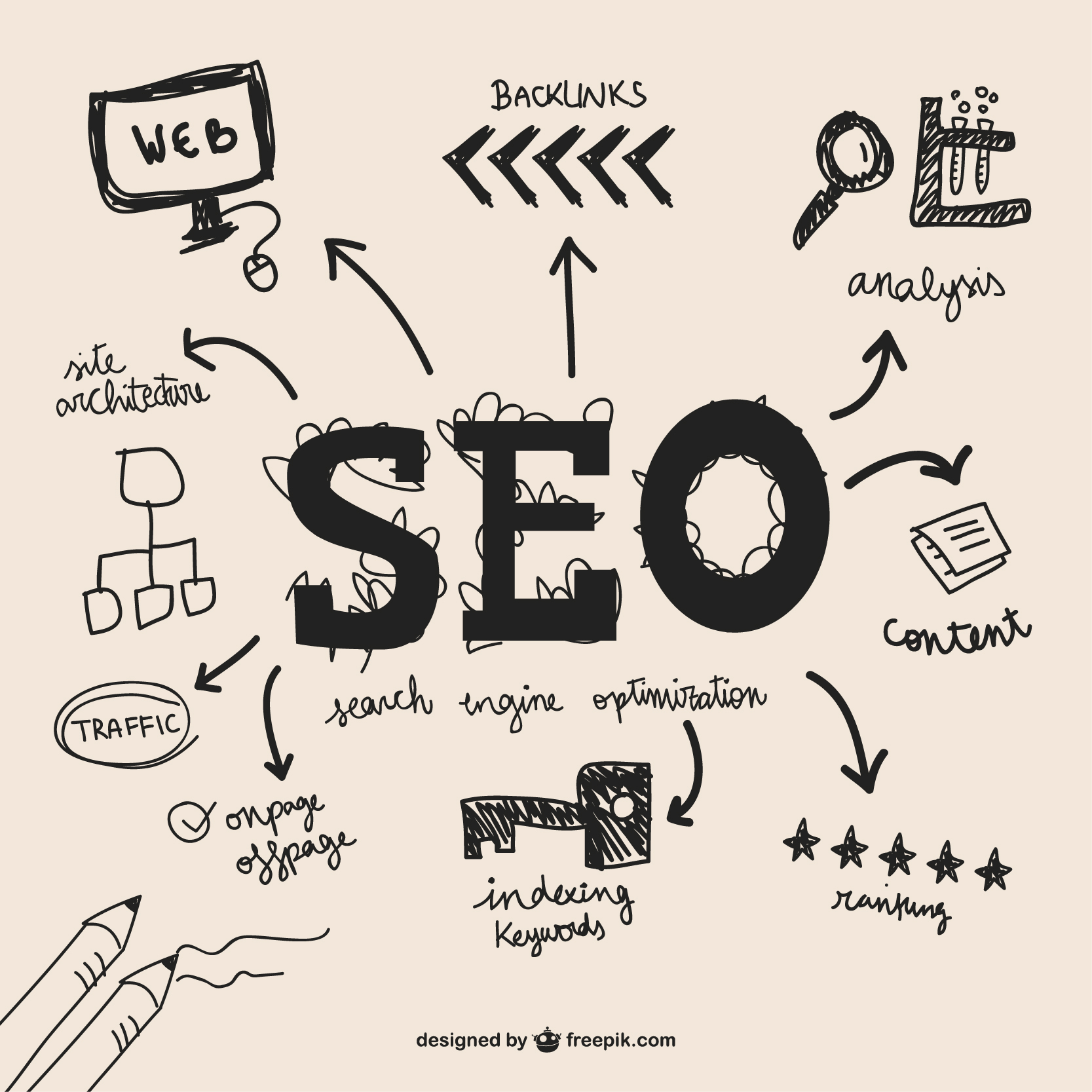
How does SEO promotion start and what tasks does it help to solve?
The first step in optimizing a website for search engines is to analyze a thematic niche based on the data from which an SEO strategy is developed. This process involves setting clear goals and criteria for evaluating results, selecting metrics in line with the goals, and using them to track performance. An SEO strategy may include such elements as increasing conversion rates, improving search engine rankings, increasing popularity among visitors, and others. The main goal of optimization is to improve the visibility of a website in search engines by keywords in order to increase website traffic, popularity, and sales. The lack of such work can lead to your site going unnoticed among other projects that use and work on similar topics. Even if contextual advertising can attract some traffic, most users prefer organic search results. For this reason, you need to continuously improve your website’s position and not stop when you have achieved success, as competitors can always displace your resource.
Why investing in SEO is beneficial
Investing in SEO promotion is more profitable than PPC advertising due to its stability and efficiency. Organic traffic increases search engine rankings and reduces dependence on paid campaigns, which leads to high profits.
Financial and time investments in SEO have the potential for great returns: steady growth in website traffic, lower costs of attracting visitors compared to PPC, and increased brand awareness through leadership in search engines.
Conversion from SEO targeted traffic is also often higher because users are actively looking for the products or services they need. Investing in SEO can be an important step in business development and ensure a steady stream of customers.
Components of SEO
SEO work can be divided into several main categories:
On-page SEO. The purpose of this is to search engine optimization of content and processing of internal page metadata. Images, texts, and videos are prepared at this stage for visitors and search engines to understand and evaluate the quality;
SEO is technical. This is making changes “under the hood” of your web resource. We ensure that the site loads quickly, is optimized for the algorithm used by web search, and is easy to view on mobile devices;
SEO is external. This direction is based on the implementation of a strategy of links to the site from other web resources. You increase the authority of your domain in the eyes of search engines by increasing the quality and quantity of links.
These basics of SEO website promotion will help you to plan your work clearly.
The stages of website promotion
Our recommendations are based on experience, and we want to share with you some tips on how to organize search engine promotion.
- Technical website analysis Check all technical parameters of your website, such as meta tags, loading speed, and image optimization. Make the necessary changes to improve these parameters.
- Developing a semantic core Identify the keywords that work best for your business. Use tools to analyze the semantic core and select the best queries.
- Update your website structure Update your website structure by adding new sections and pages. Choose the optimal logic and user experience.
- Competitor and niche analysis Start by studying your competitor’s strategies. Look at the keywords they use, how their content is organized, and how they interact with their audience.
These steps will help you effectively promote your website in search engines.
Create content and set up internal links
Creating an external link profile, which includes publishing articles on authoritative platforms, is a key stage of external promotion. This means that by positively influencing your website’s reputation, you ensure that it is more visible in search engines. Working on internal links is also important because it helps to organize the structure of your site, providing easy access to different pages and content. Calls to action are your opportunity to encourage visitors to take specific actions on your website, such as signing up for a newsletter or purchasing a product. Adding visual elements such as images, graphics, and videos helps make your content more engaging and attracts more attention from your audience. Optimizing every page of your website, including the About Us section, landing pages, and blog posts, can increase their attractiveness and interest for users visiting your site.
Are you using SEO correctly?
SEO promotion includes several stages:
- analytics to monitor the results.
- technical audit of the website and error correction.
- Select keywords and optimize your content.
- Set up internal links.
- Work on external optimization.
- Improve the performance of behavioral factors.
These measures will improve the site’s visibility in search engines. If you need SEO promotion, our specialists are ready to help.